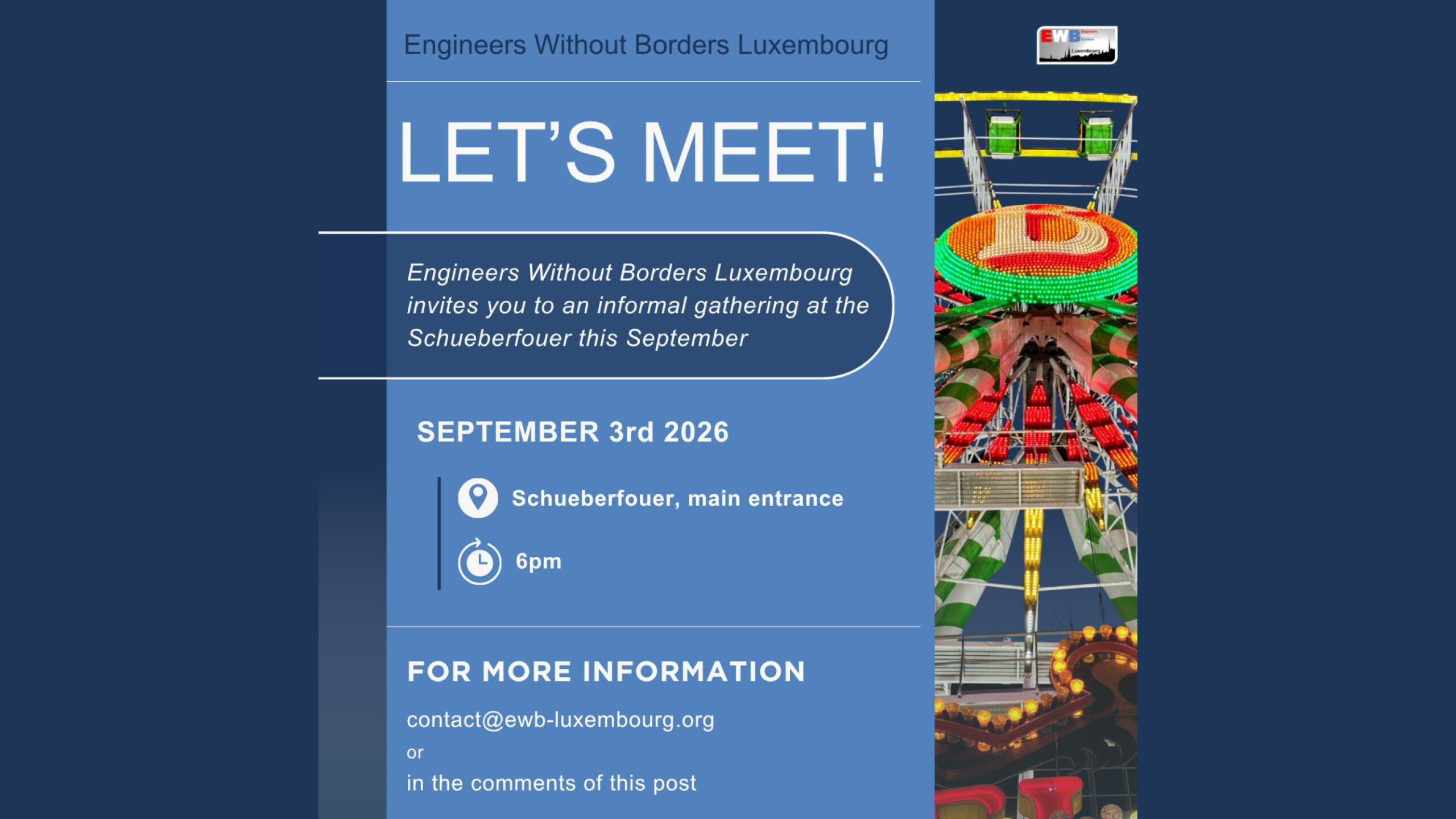
Let’s take a break from meetings and project work and meet up at the Schueberfouer! 🍻
We’re looking forward to seeing old faces, new faces, and everyone in between! Let’s catch up, exchange ideas, and maybe talk about some old, new, and future projects along the way.
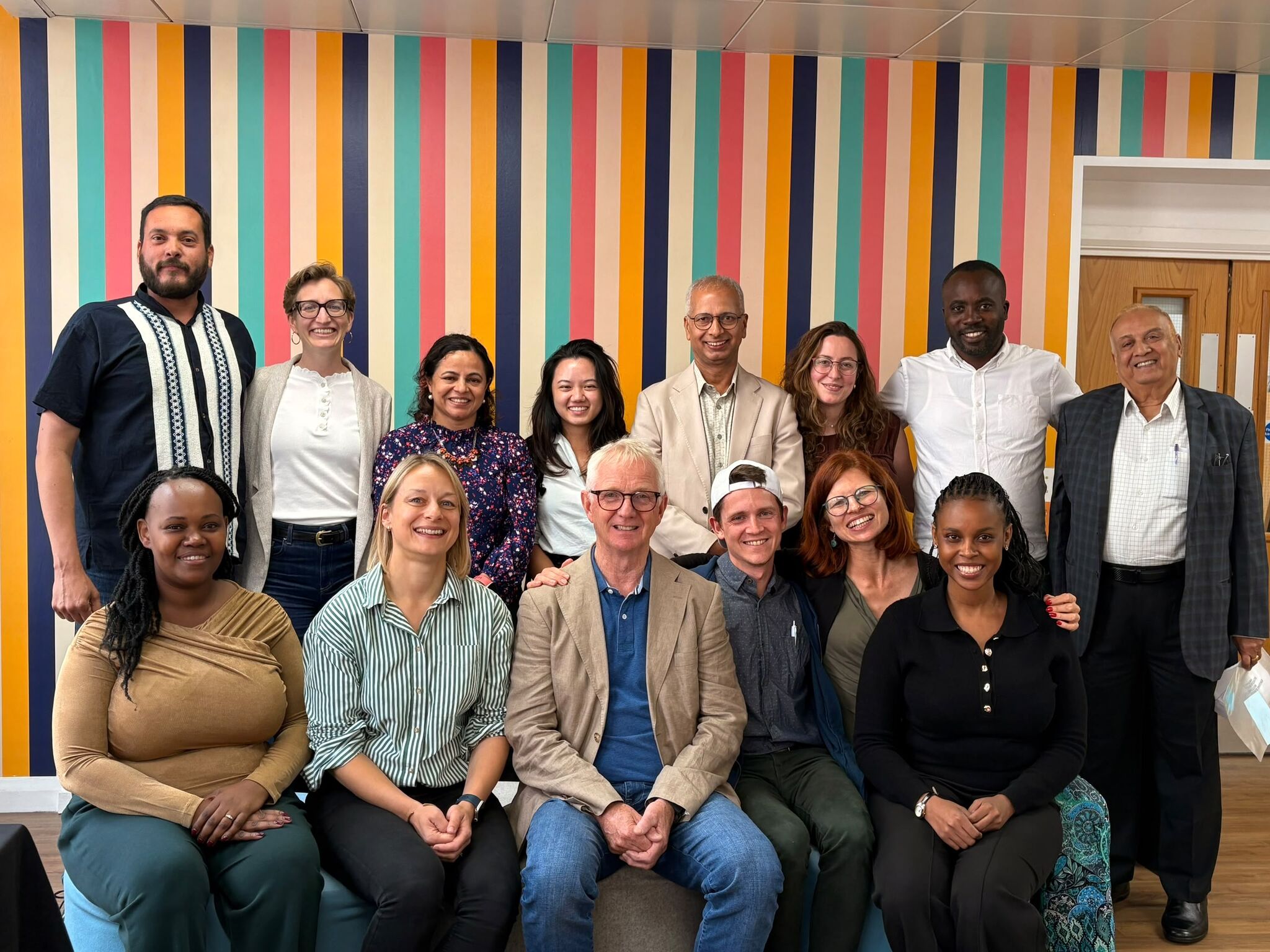
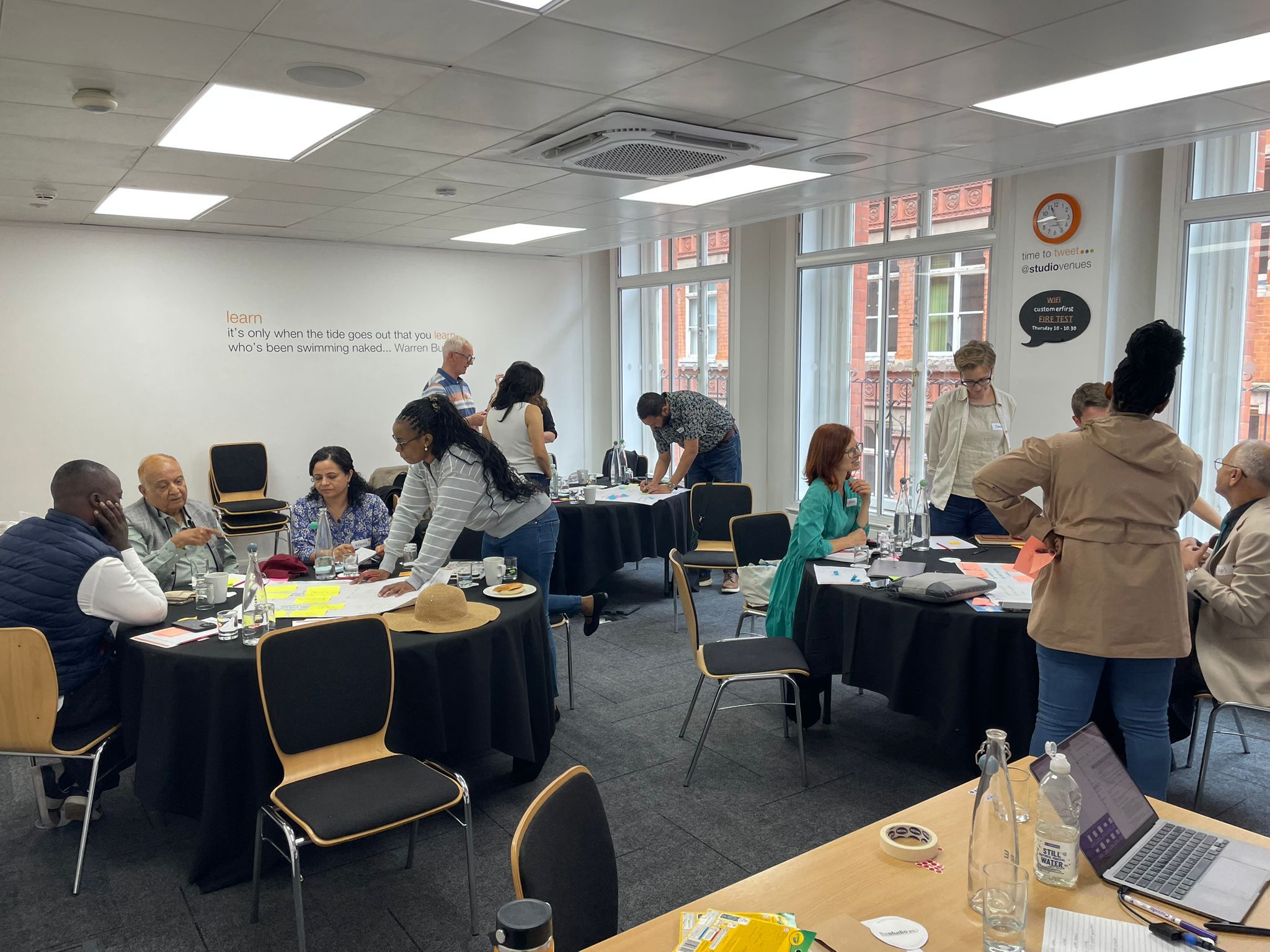
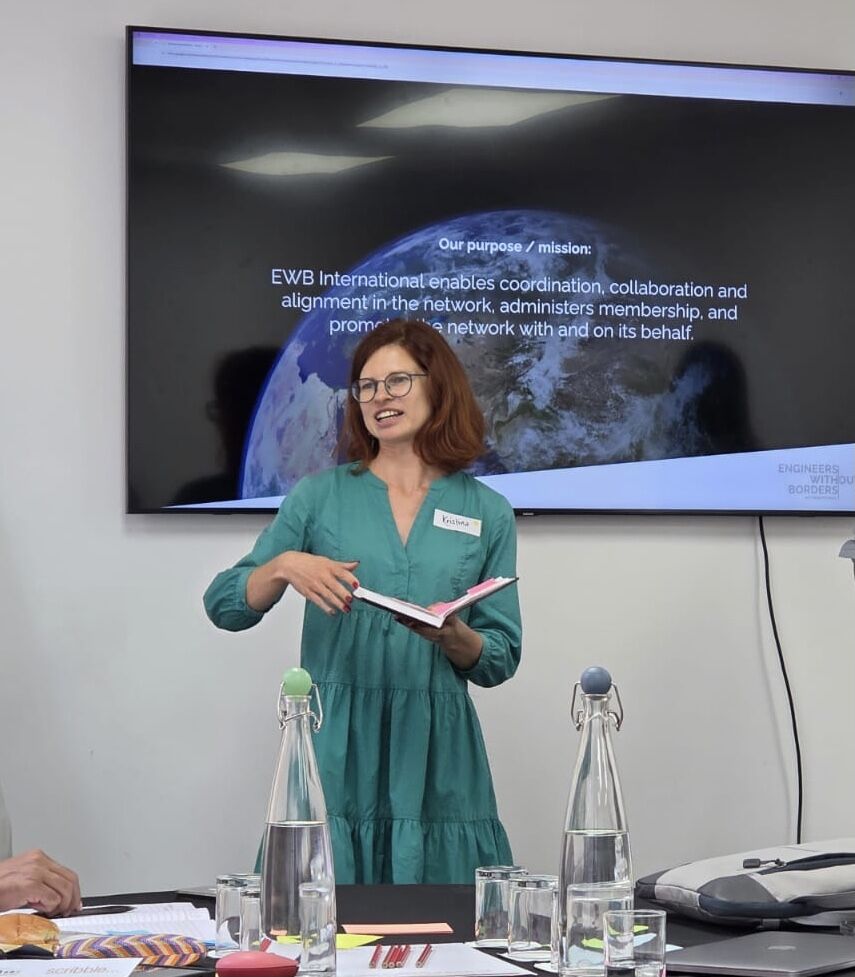
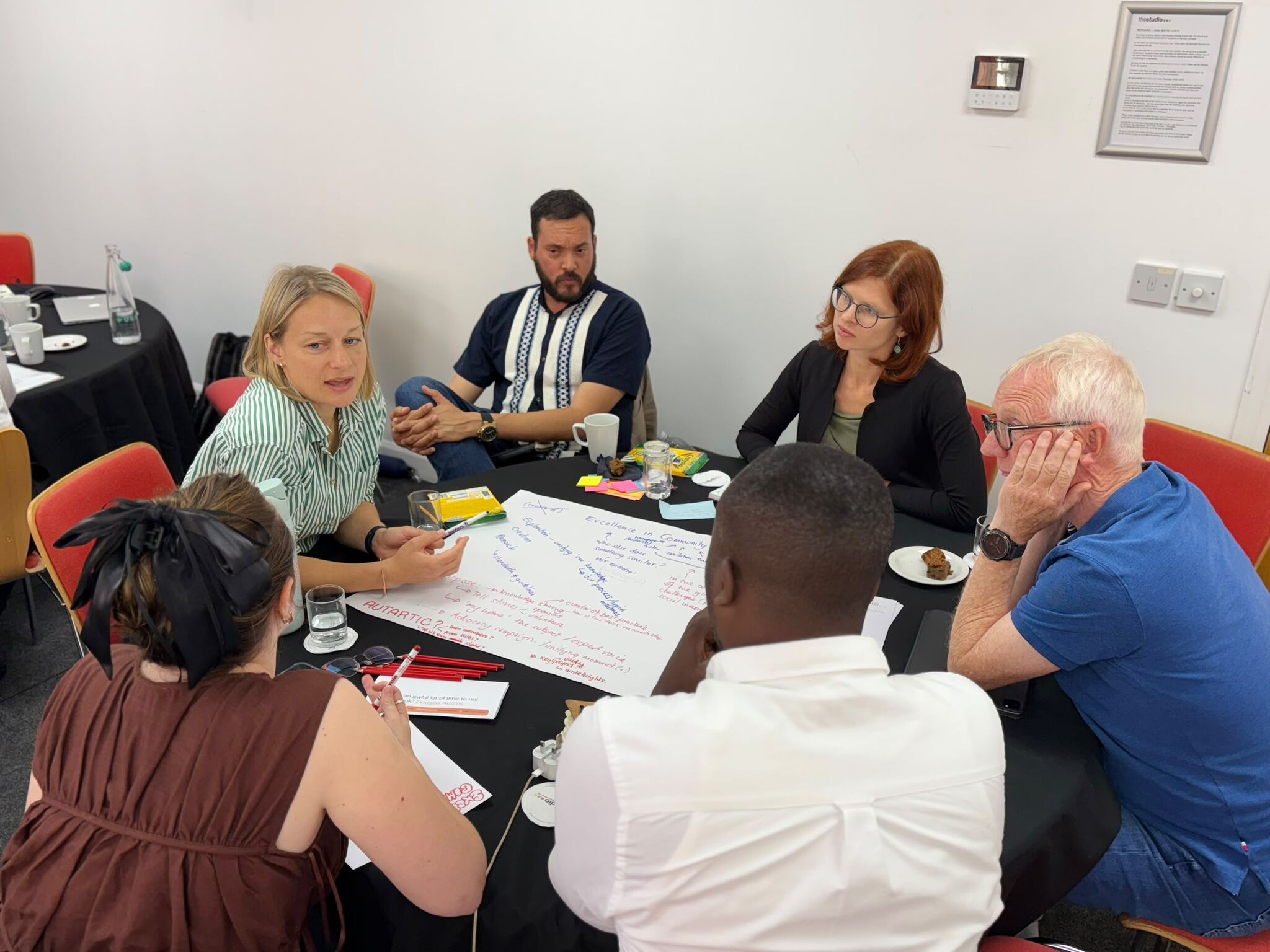
Over three inspiring days, EWB-I board members and the delivery team worked together to shape the network’s vision toward 2030—strengthening the strategy, governance, and collaboration to amplify global impact through engineering for sustainable, community-centred development.
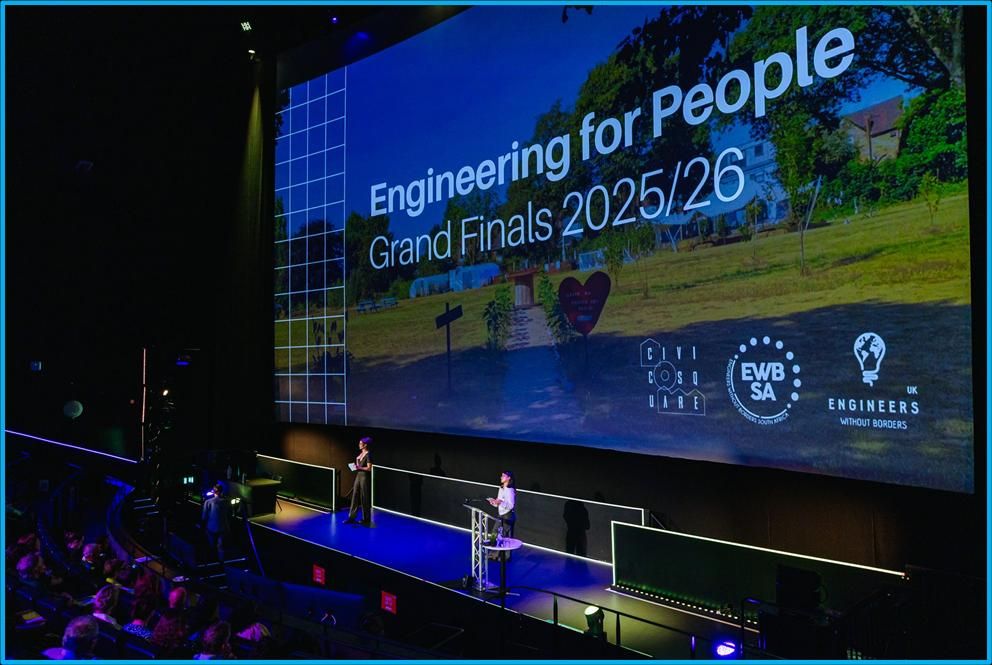
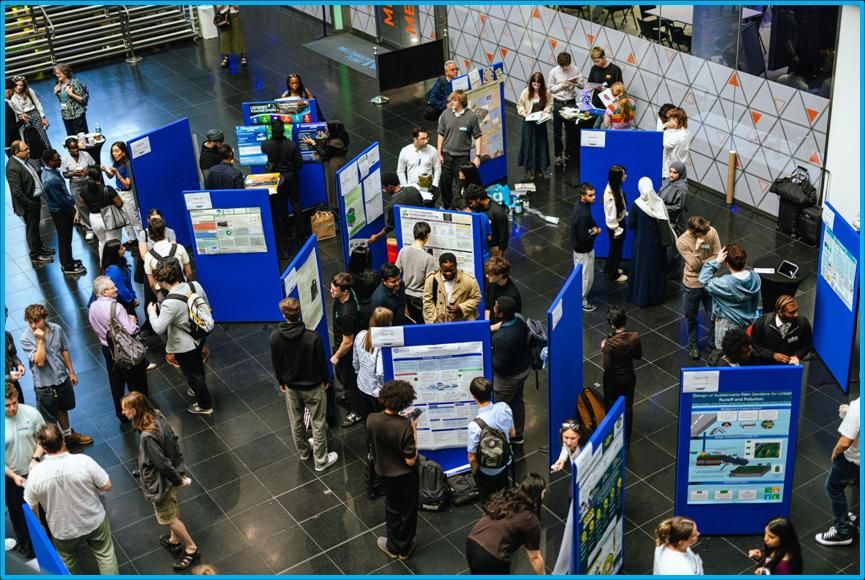
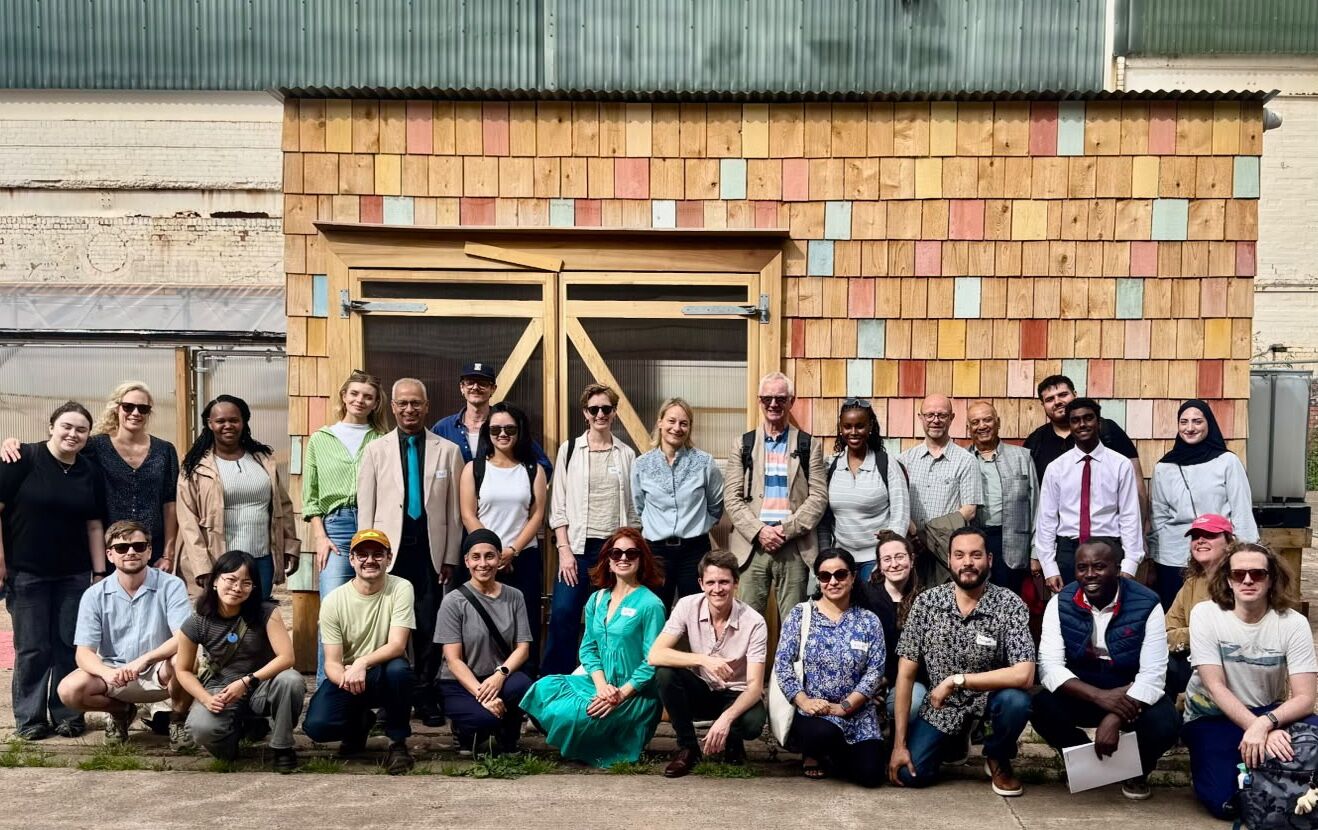
The visit also included inspiring examples of impact in action, from CIVIC SQUARE’s neighbourhood-led transformation work to the EWB-UK Engineering for People Design Challenge Grand Finals, where students showcased innovative solutions to real-world challenges.
A sincere thank you to the EWB-I delivery team—especially Katie Cresswell-Maynard—for the excellent facilitation, to our fellow EWB-I Board members for their valuable contributions, and to EWB-UK for being such generous hosts and for inspiring the next generation of engineers.
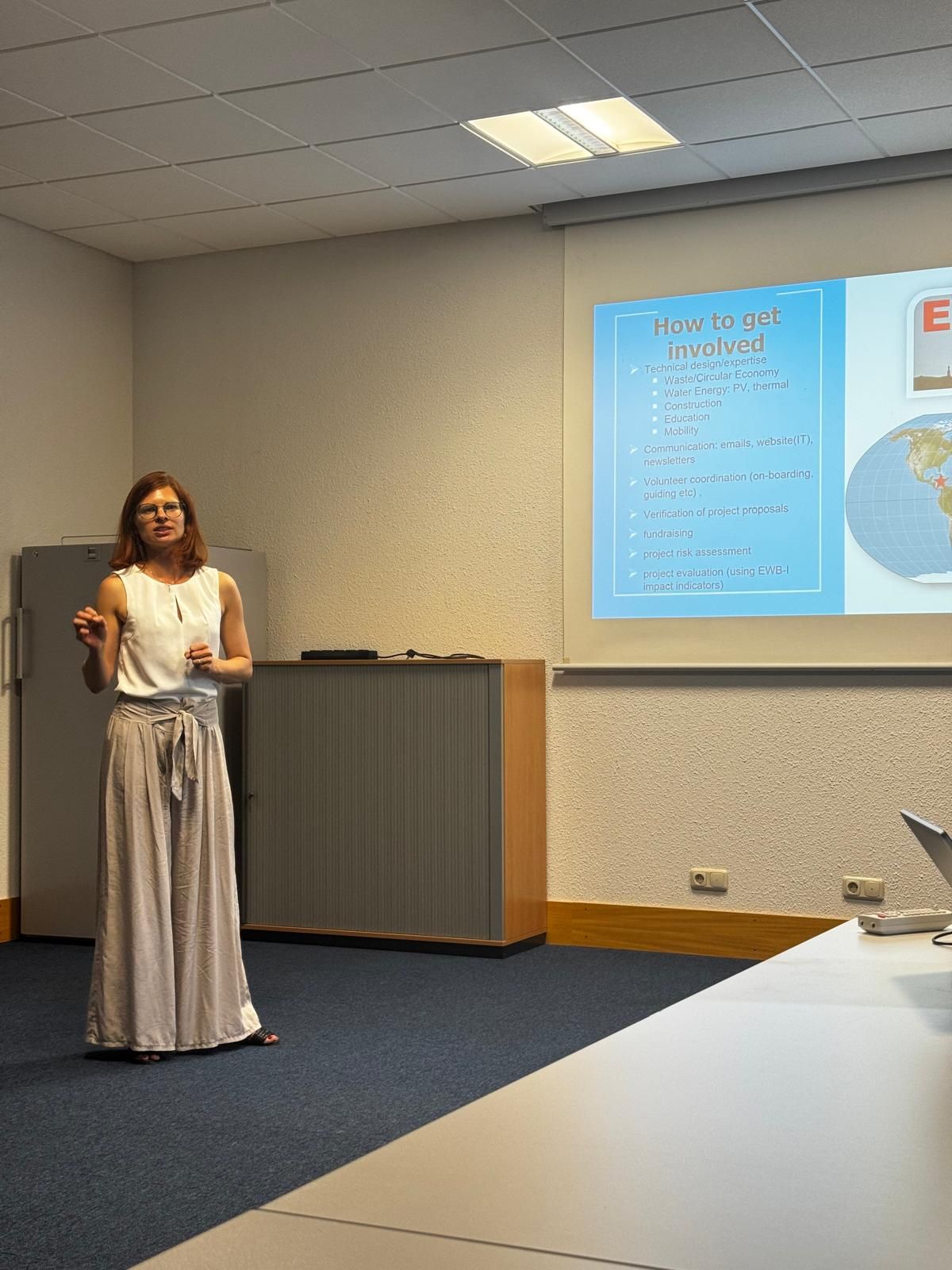
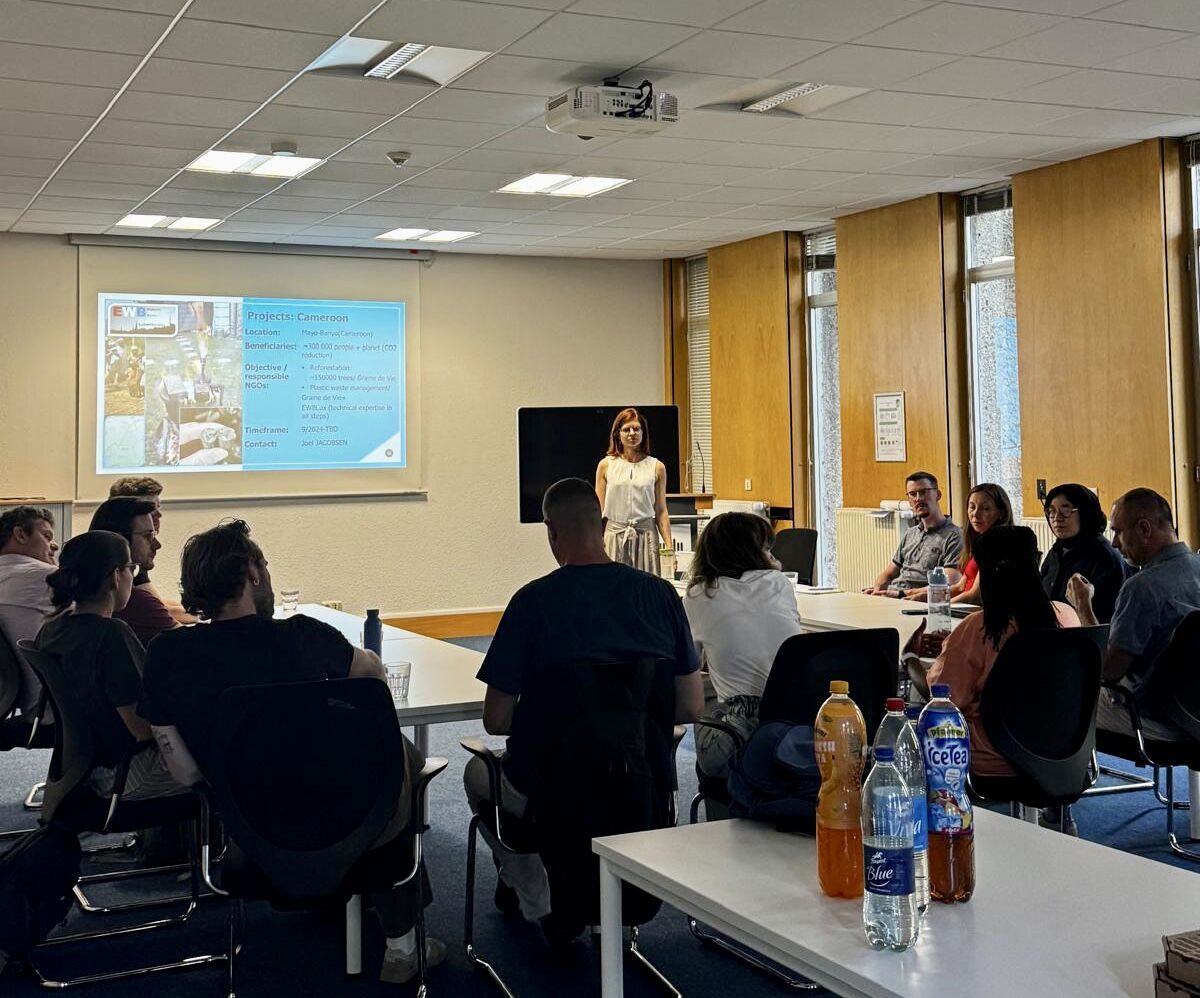
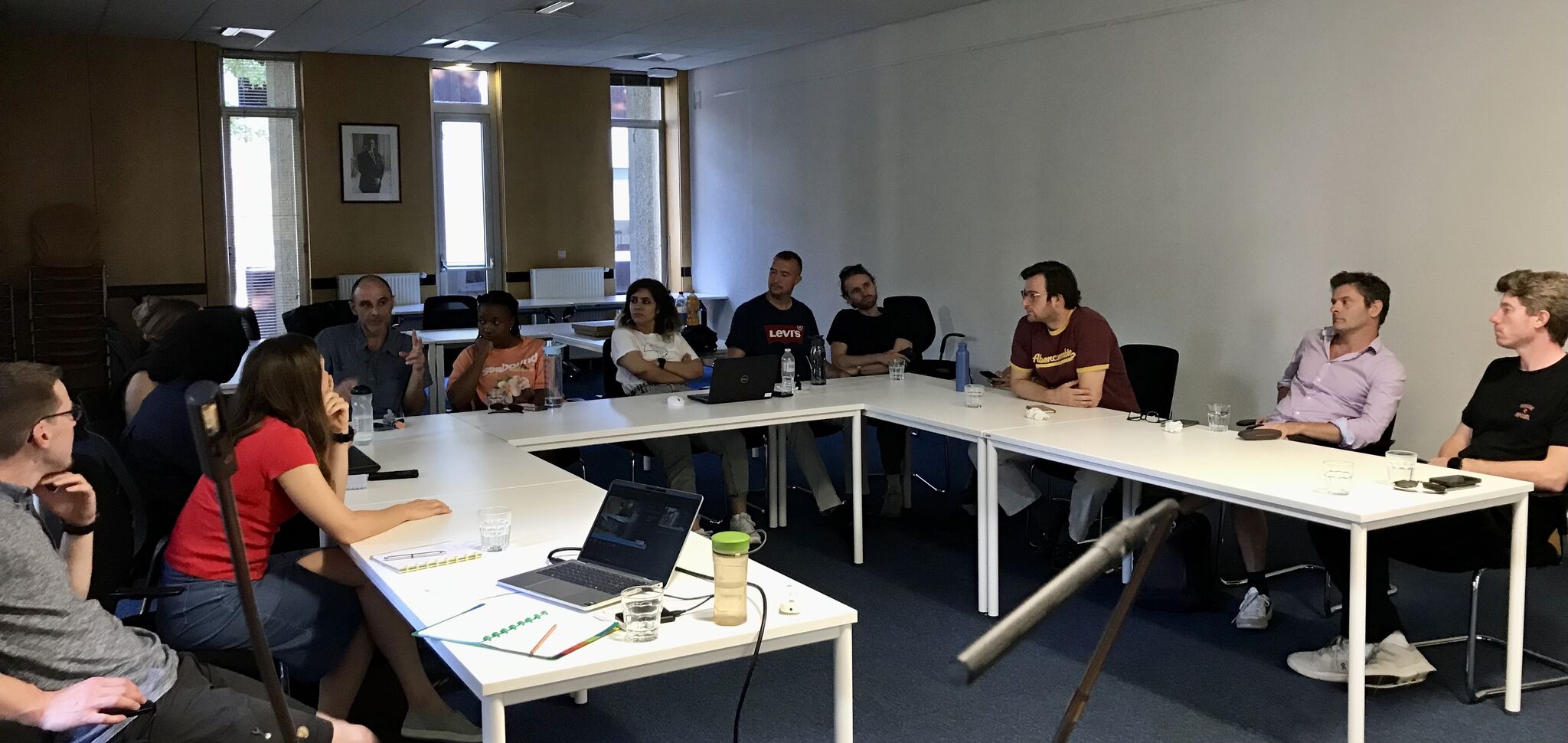
We recently gathered at Campus Kirchberg — old faces, new joiners, and a lot of pizza to reflect on the past six months, share updates on our projects, and discuss the next steps ahead.
🔧 We explored progress across initiatives including: • Solar PV systems in Uganda • Circular economy and plastic waste management in Cameroon • Biochar production research • Sustainable construction with earth-based materials in Morocco
A big thank you to everyone who joined, shared ideas, and contributed to our growing community of engineers, students, researchers, and sustainability enthusiasts.
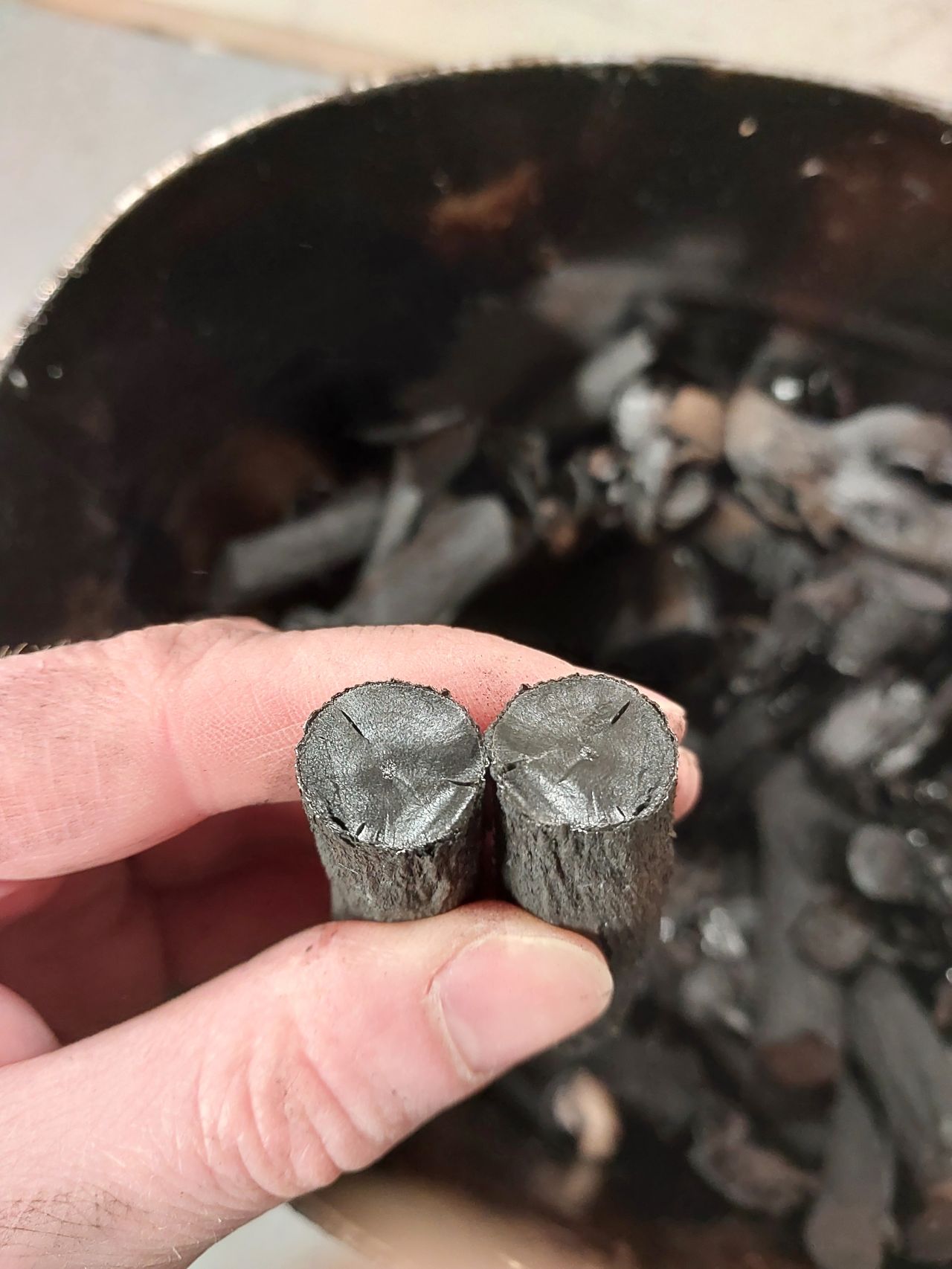
Earlier this year, we carried out a small-scale wood carbonization experiment to better understand the process of transforming biomass into carbon-rich material.
Using a mixture of cherry laurel, pine construction wood, hardwood offcuts and walnut shells, we loaded a kiln and monitored the carbonization process over several hours. As temperatures increased, moisture was driven off, followed by the production of wood gas, which was then recycled to help sustain the process.
▪️ The result? ➡️ Approximately 3 kg of carbonized material produced from 6.5 kg of fresh wood feedstock.
Some key takeaways from the experiment 👇 🌳 Hardwood performed significantly better than softwood, producing a higher yield of solid carbon. 📏 Similar-sized wood pieces helped achieve more consistent results. 🌡️ Uniform temperatures throughout the kiln are critical. Material near the top was not fully carbonized, highlighting the importance of heat distribution. ⏳ Carbonization is a slow process that requires patience and careful monitoring. ⚠️ Safety matters. Carbonized wood can release gases such as carbon monoxide, and fine carbon particles should be handled with care.
Experiments like these help bridge theory and practice, providing valuable insights into biochar production, biomass valorisation, carbon storage, and circular approaches to resource use.
Every prototype teaches us something new. This one reminded us that sustainability is often built through experimentation, iteration, and a willingness to learn from both successes and imperfections.