
Low-Tech: Rethinking Engineering – Our First Joint Event with ISF Belgique
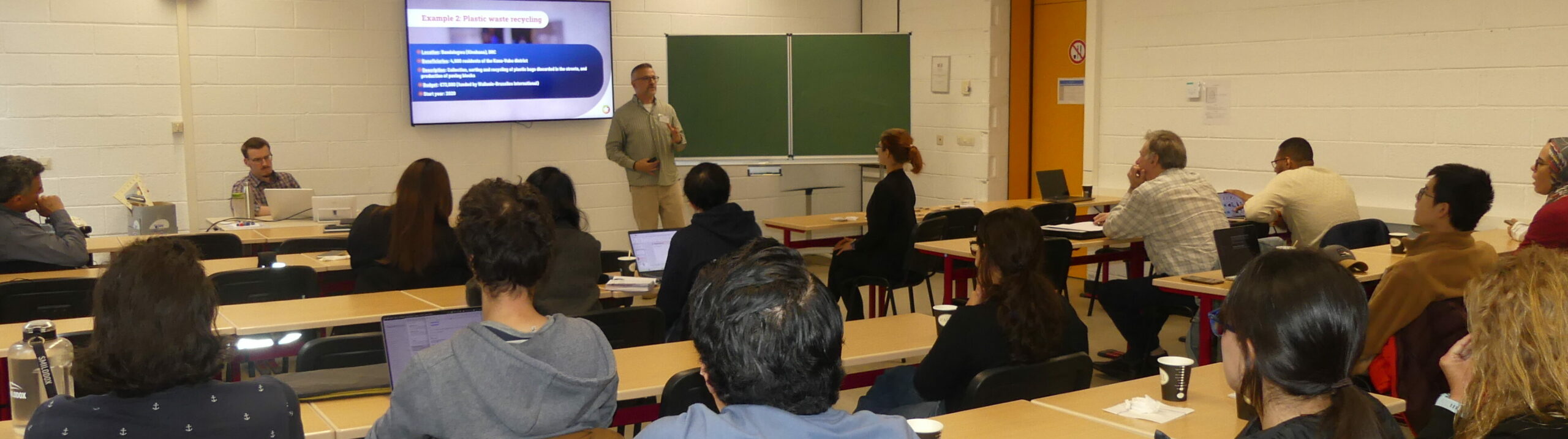
9 October 2026 | University of Luxembourg, Campus Kirchberg
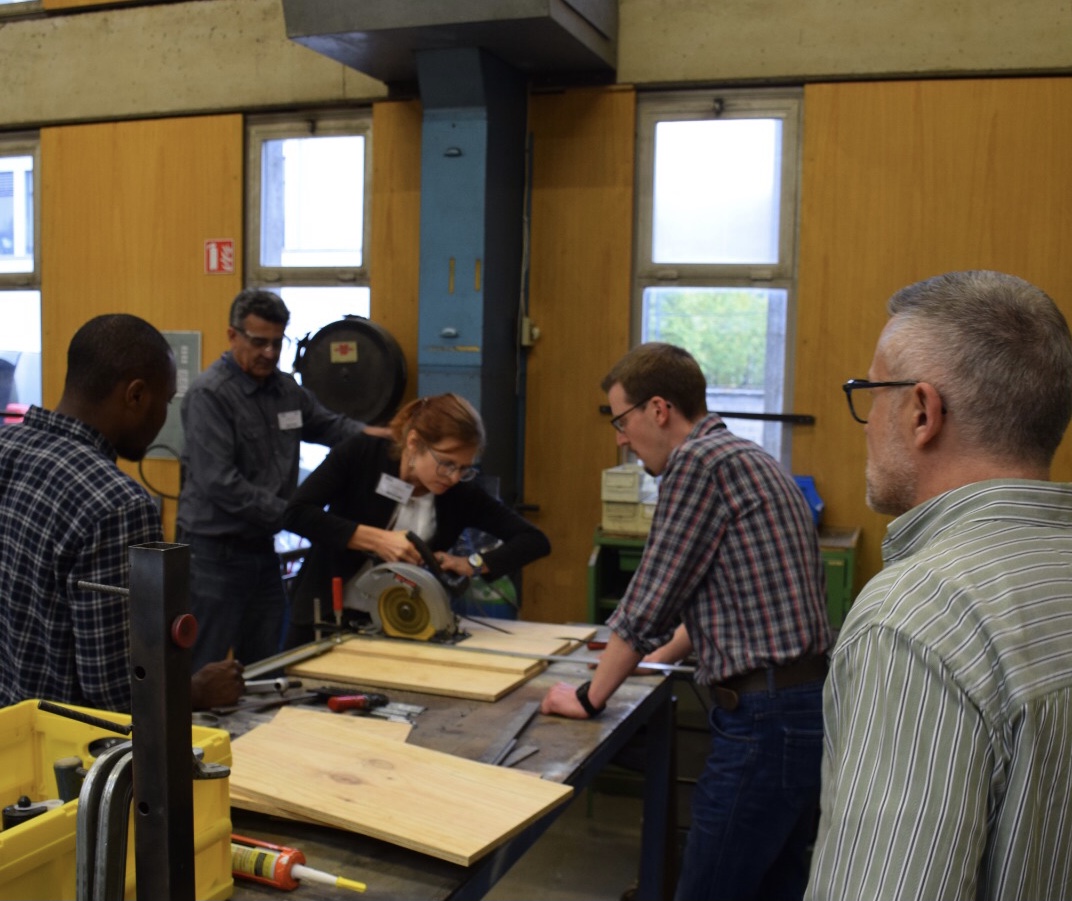
On 9 October 2026, Engineers Without Borders Luxembourg (EWB Luxembourg), together with Ingénieurs Sans Frontières Belgique (ISF Belgique), organised “Low-Tech: Rethinking Engineering”, our first jointly organised event, hosted at the University of Luxembourg.
🌍🤝 A new partnership for greater impact
We’re proud to announce a new cooperation between Engineers Without Borders Luxembourg and SOS Villages d’Enfants Monde
Continue reading “🌍🤝 A new partnership for greater impact”Low-Techs: Rethinking Engineering – Programme & Registration – 9 October
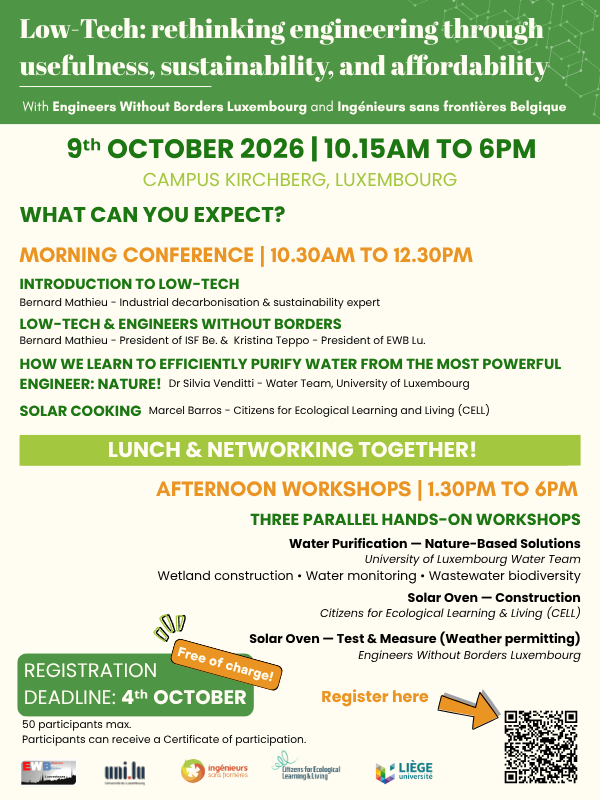
📅 Save the Date – Low-Techs: Rethinking Engineering | 9 October | 2 December 2026
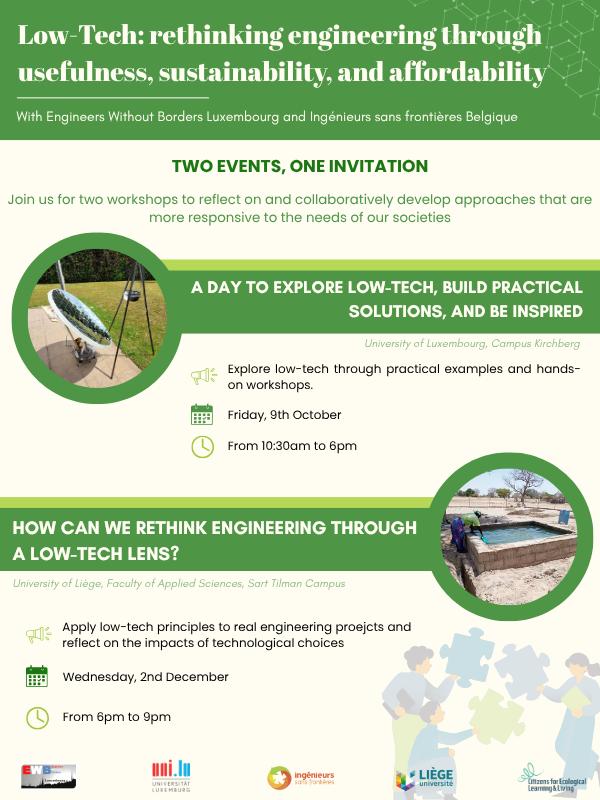
Low-Techs: Rethinking #Engineering Through Purpose, #Sustainability and Accessibility
What if innovation wasn’t always about making things more complex?
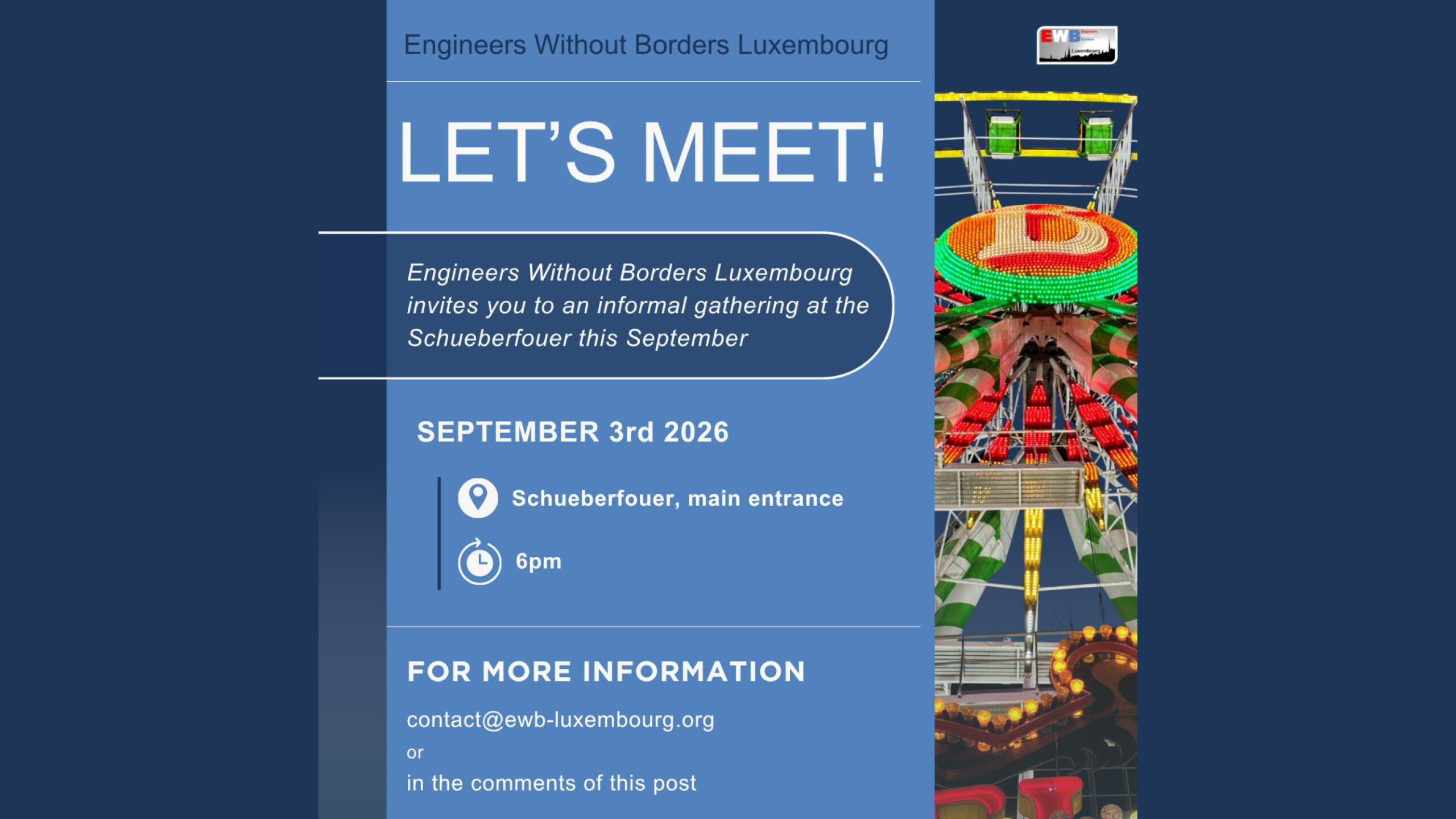
Continue reading “📅 Save the Date – Low-Techs: Rethinking Engineering | 9 October | 2 December 2026”Engineers Without Borders @ Schueberfouer 2026 🎡✨🇱🇺
Advancing our global mission together! 🌍
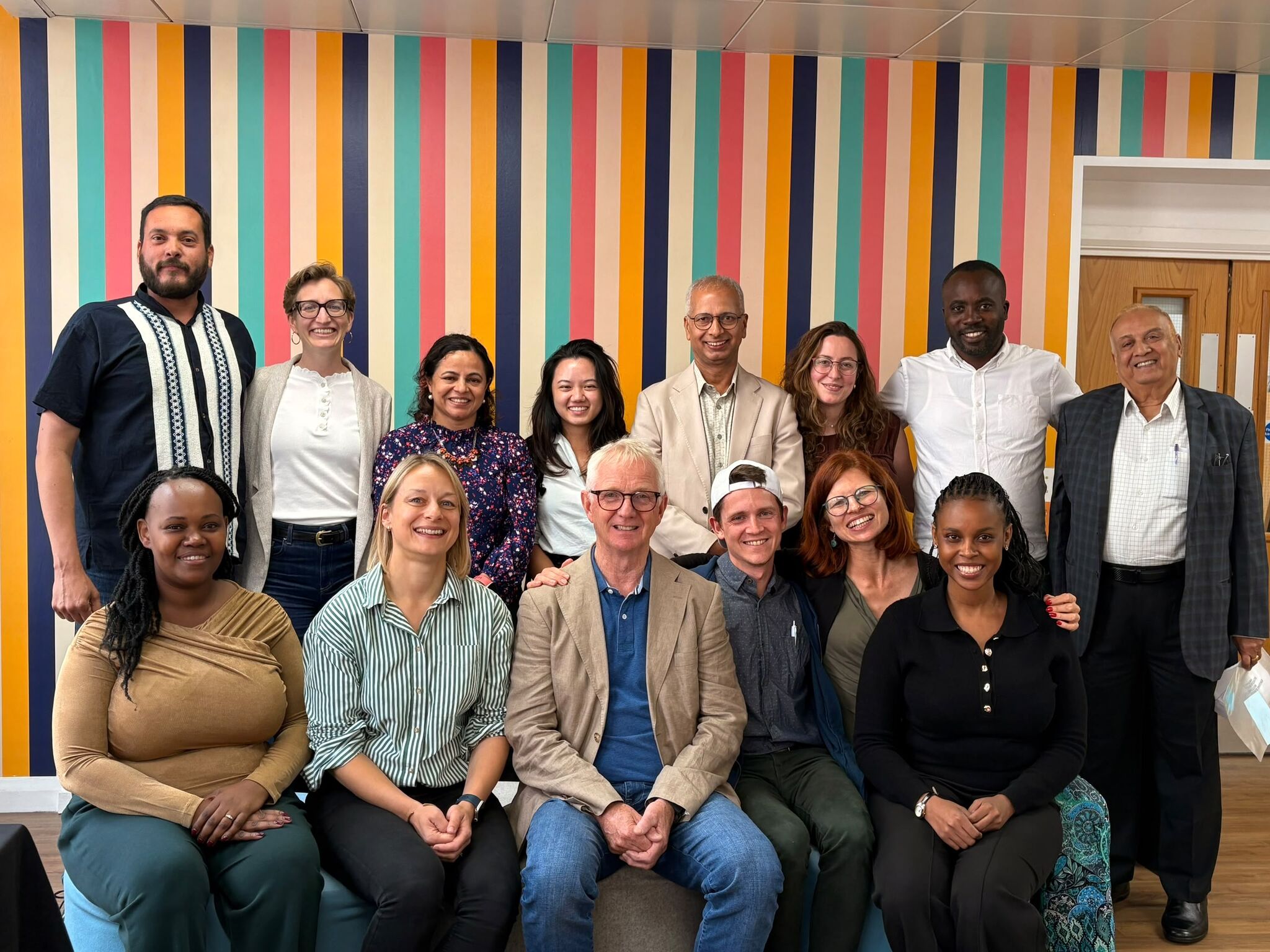
In June, our President and Engineers Without Borders International (EWB-I) Board Member, Kristina Teppo, joined the EWB-I Strategic Workshop in Birmingham, UK.
Continue reading “Advancing our global mission together! 🌍”🌍 Great moments of exchange at our Engineers without borders Luxembourg catch-up
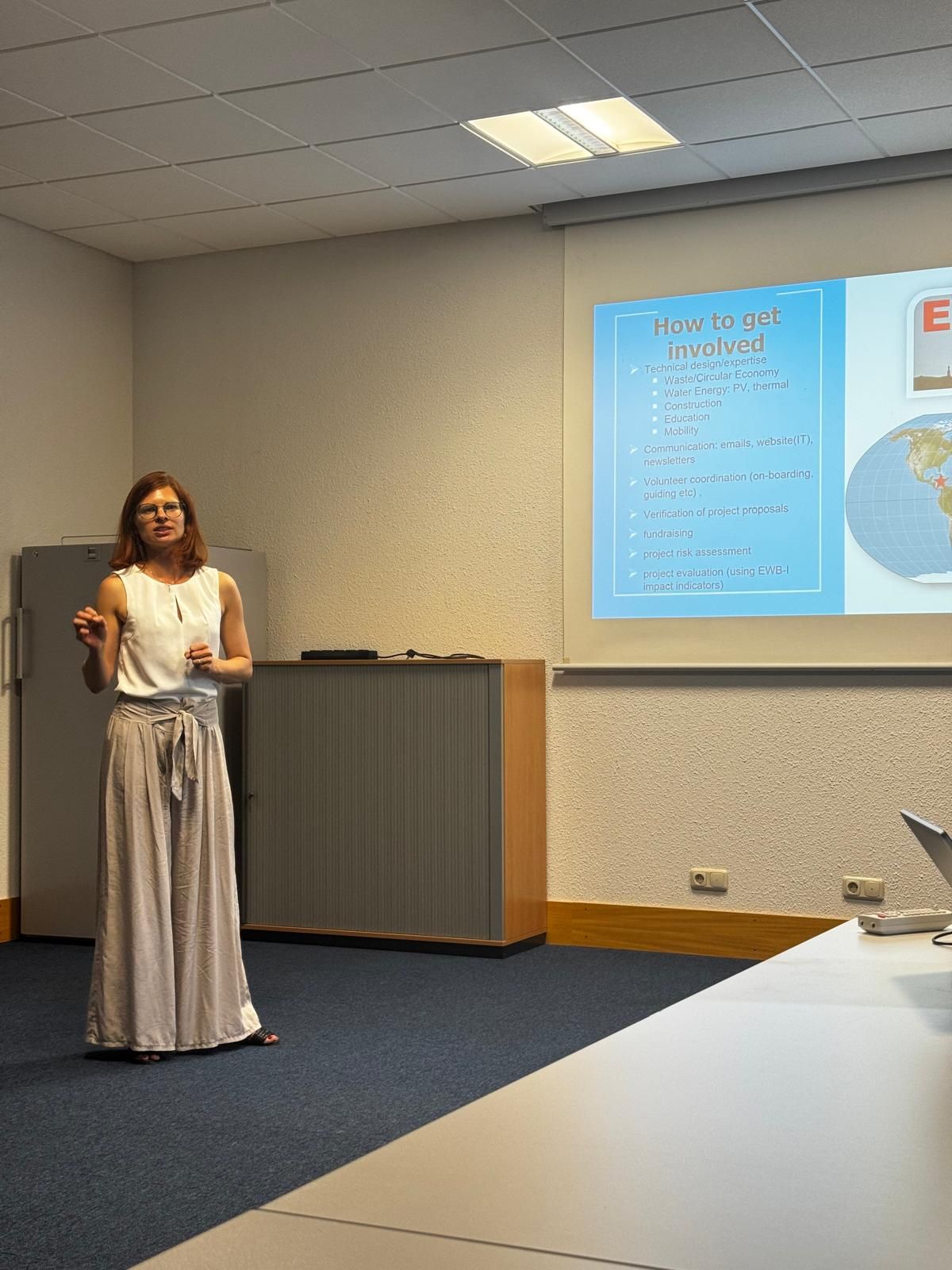
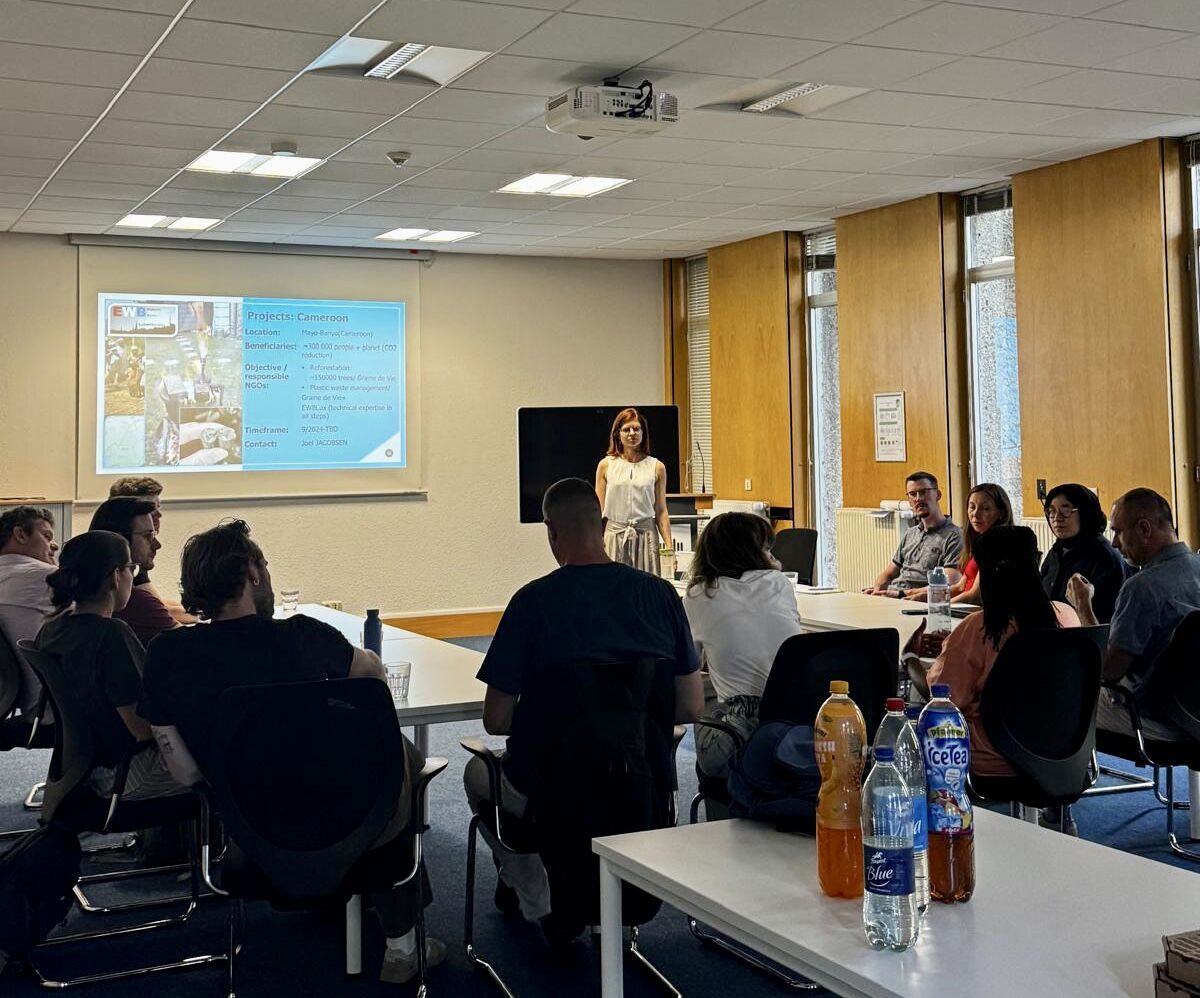
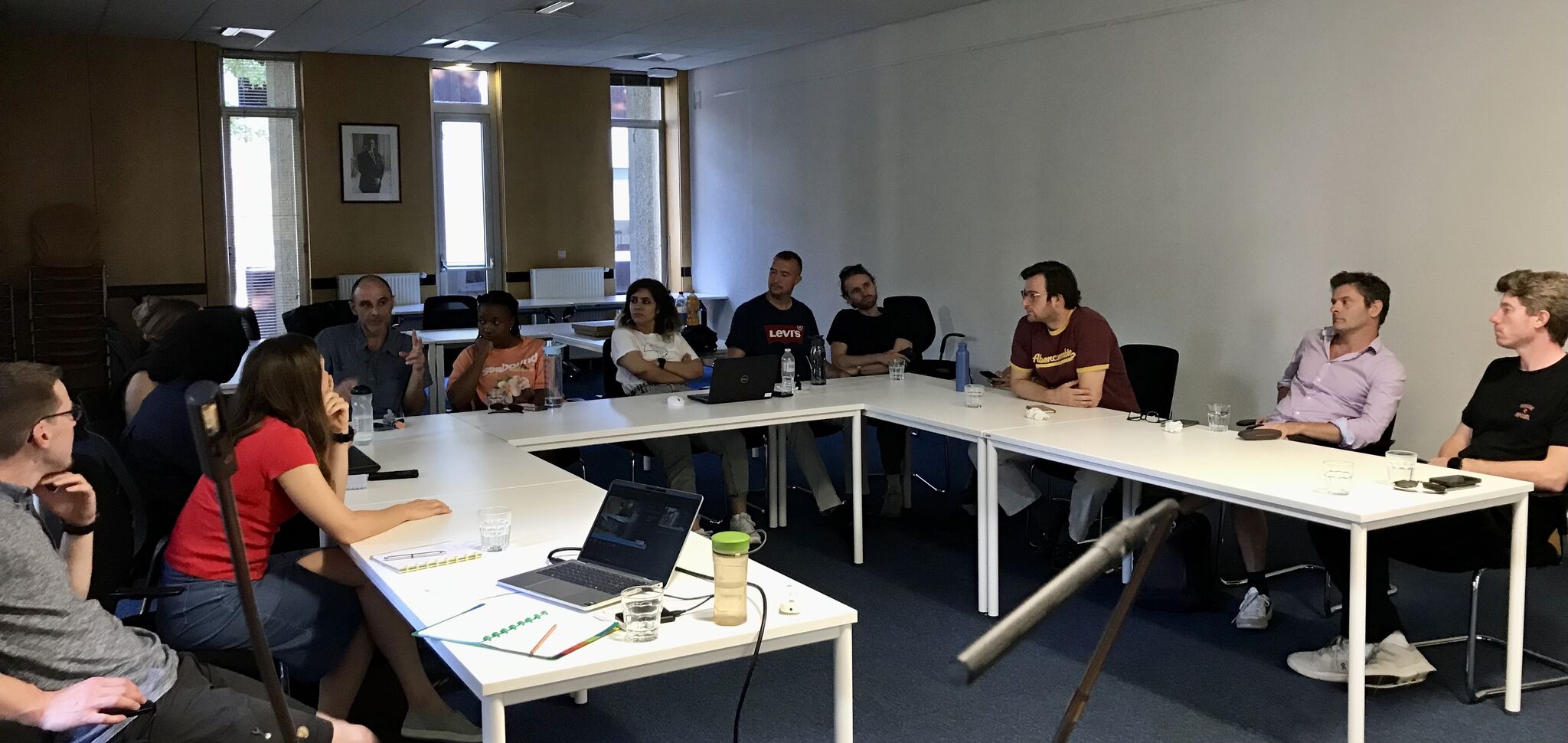
We recently gathered at Campus Kirchberg — old faces, new joiners, and a lot of pizza to reflect on the past six months, share updates on our projects, and discuss the next steps ahead.
Continue reading “🌍 Great moments of exchange at our Engineers without borders Luxembourg catch-up”🔥 Turning wood into carbon: a hands-on experiment in biochar production
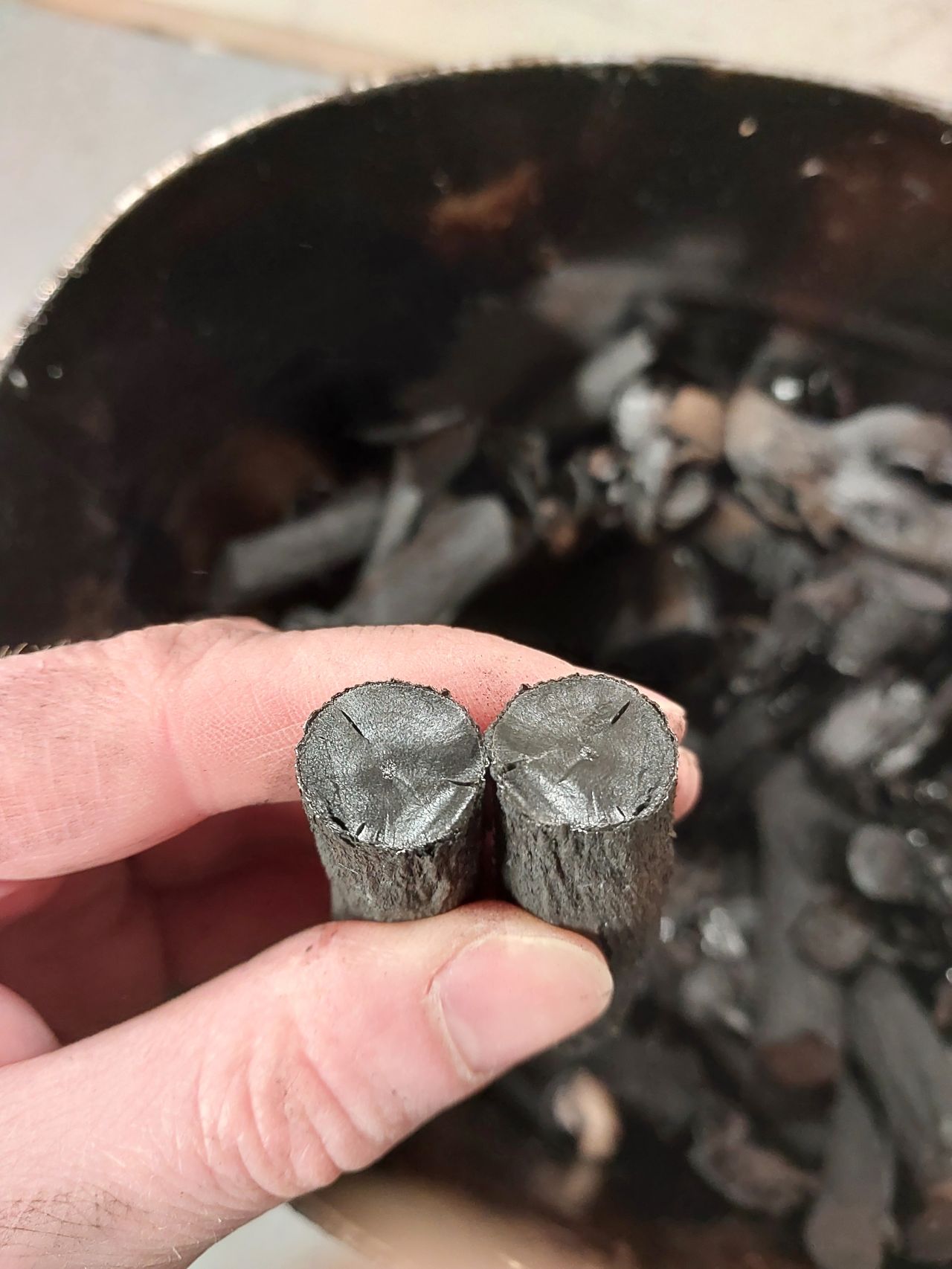
Earlier this year, we carried out a small-scale wood carbonization experiment to better understand the process of transforming biomass into carbon-rich material.
Festival des Territoires Résilients
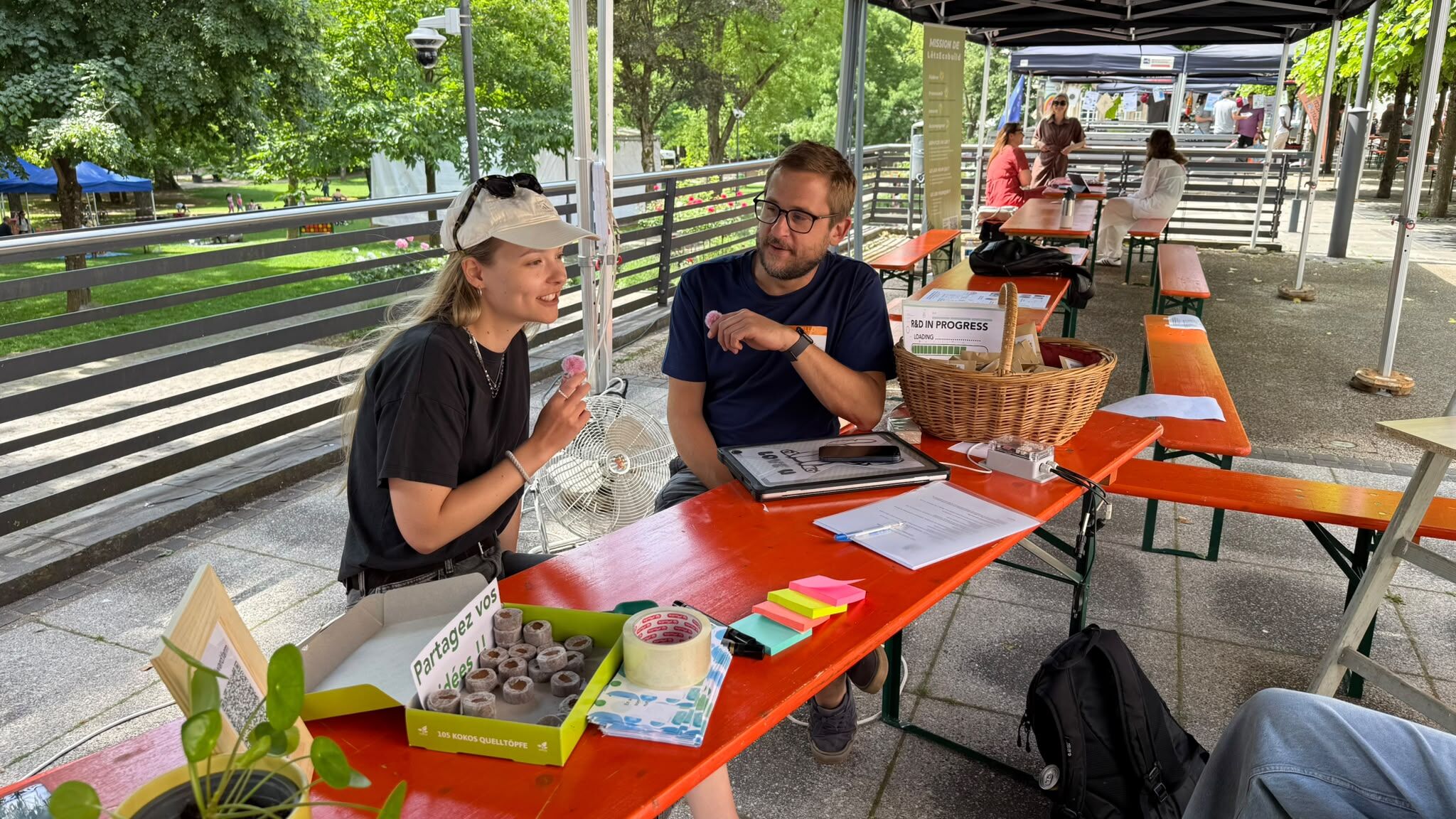
On 30 May, we had the pleasure of participating in the Festival des Territoires Résilients, organised by Iwwerliewen in Differdange.
Continue reading “Festival des Territoires Résilients”